Fears in children: causes, developmental stages and tips for parents
from Laura

Fear as part of child development
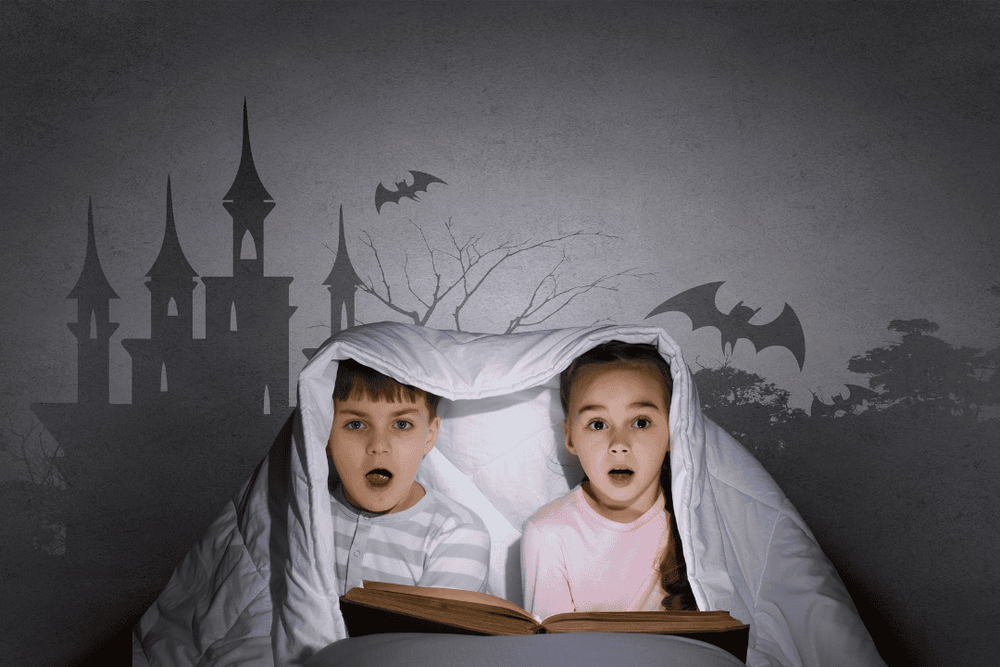
Fear is part of life. This is the first thing experienced child and adolescent therapist Elisabeth Merklin emphasizes at the beginning of our conversation. In fact, children go through very natural phases of fear as they develop: fear of the dark in the early years, separation anxiety when a parent leaves the house, or a vivid imagination that brings monsters under the bed to life.
When normal fears become a problem
These developmental fears are completely normal and even important for a child’s healthy development. They only become problematic when fear begins to dominate everyday life and prevents children from managing their daily activities.
“If certain situations that cannot be avoided repeatedly lead to fear and overwhelm, then it eventually becomes a reason for concern,” explains Elisabeth Merklin.
Especially during the school years, the nature of children’s fears changes. Social situations move to the forefront. Worries about speaking in front of the class, fear of rejection by peers, or anxiety about failing in group situations are experiences many parents recognize in their children.
Modern challenges: social media and global events
In today’s world, new challenges have emerged. Elisabeth Merklin observes that fears among adolescents are increasing due to the growing presence of social media. At the same time, global events such as the COVID-19 pandemic, the war in Ukraine, and the climate crisis shape the anxieties of an entire generation. Concerns about the future are becoming more present. Even among the youngest.
Recognizing warning signs: when parents should pay attention
Parents often wonder: when is my child’s fear still normal, and when should I be concerned?
Elisabeth Merklin advises paying attention to certain signals. If children begin to deliberately avoid specific situations, if the same themes repeatedly lead to difficult situations in everyday life, or if physical symptoms such as stomach aches, nausea, dizziness, or sleep problems occur repeatedly, these may be warning signs.
“Sudden changes in behavior are always a reason to take a closer look,” the therapist emphasizes. These may include withdrawal, aggressive behavior, or completely avoiding certain activities.
The key: open conversation
The most important element in dealing with children’s fears is communication. Elisabeth Merklin recommends that parents actively talk with their children, ask questions, and above all listen carefully. “It is important that we let children talk and that we seek an open exchange with them.”
A helpful tip is for parents to start by sharing their own challenging experiences in an age-appropriate way, for example difficult situations at work. This shows children that adults also struggle with fears and that it is normal to talk about them.
How parents should not respond to fears
A common mistake is dismissing children’s fears with comments such as “That’s not a big deal” or “You don’t need to be afraid.” It is much more effective to develop strategies together with the child and make concrete plans for how to deal with situations that trigger fear.
Why avoidance is not the solution
From an evolutionary perspective, fear actually makes sense. As the therapist explains, those who were cautious were more likely to survive. This is also why fears can grow so quickly. Avoiding a fear-triggering situation may feel good at first, but in the long run it reinforces the fear.
The path to improvement is exposure, meaning gradually facing the fear. “Things get better when you face your fears. That is something we need to learn.”
Strengthening children’s self-confidence
A key element in dealing with fears is strengthening children’s self-confidence. For younger children, this mainly means giving them a sense of security. As they grow older, the focus shifts toward fostering a sense of self-efficacy. Children should be allowed to do as many things as possible on their own in everyday life.
Their natural desire to do things independently should be supported. This can happen through helping with household tasks, taking on small responsibilities, and experiencing that adults trust their abilities.
When professional help is needed
In therapy, Elisabeth Merklin follows a systematic approach. First, the affected children and adolescents, and importantly their environment, are given an explanation of what fears are for and how they arise. The next crucial step is learning to face those fears.
“The child’s environment is included in the therapy,” she emphasizes, because lasting change can only happen when everyone involved supports the process.
The goal: a healthy way of dealing with fear
Ultimately, the most important indicator of a healthy approach to fear is simple: that everyday situations can be managed well.
Elisabeth Merklin also encourages parents to reflect on their own fears and to exchange experiences with others. Comparing perspectives with other parents and discussing different ways of coping can help families find a healthy balance.
The therapist’s message is clear. Fear is human and completely normal. What matters is how families deal with it and when they seek support to give their children the best possible start in life.

Laura is a mum to a daughter and a son. She enjoys cycling around Bern with them, reading good books by the sandpit, or floating down the River Aare. As a freelance journalist and presenter, she loves exploring all sorts of topics that interest and inspire her – from personal stories to social and political issues. She likes to take a leaf out of her children’s book when it comes to curiosity about the big and small things in life.
This podcast episode was released on 29 August 2025.
Links to the episode:
University Psychiatric Services Bern: www.upd.ch
Find a therapist: www.psychologie.ch/de/psyfinder
Have you already known the famido app?

Download now and experience more
With famido you can experience more and pay less
Comments
Write the first comment